Generally speaking, as we age, we experience muscle atrophy (muscle loss), which leads to a significant loss of strength. If this occurs in any of the muscles that act on the pelvic and/or lower limbs and are primarily responsible for balance, you will experience reduced balance.
Other considerations include medication, blood pressure, changes in your visual and cognitive systems and/or other medical condition/s. If you feel this may be the cause, please immediately seek expert advice from your GP or current treating parties.

Movement and general neuromuscular strengthening will help reduce muscle atrophy and strengthen. Some examples that can be done at home include;
1. Standing Abduction
2. Sit-to-stand
3. Single Leg Stance
4. Calf Raises
5. Alternate Step Returns (Step-up)

This is a common and great question.
Generally speaking, if you are at risk of falls in certain environments (for example, uneven ground), if it is stopping you from exercising or without guidance, it is highly recommended. If you are using a device, ensure it is set up correctly to avoid other injuries.
The truth is that every age is susceptible to falling; however, the risk continues to increase as we age. Your fall risk can easily be tested and improved with simple exercises performed consistently. If you want this test, please contact us via info@activ8.club, and we will send it to you.
To enhance falls prevention, it is essential to understand the various factors that contribute to an increased risk of falls and how regular exercise can mitigate these risks. Incorporating falls prevention strategies into your daily routine can significantly improve your safety.
Implementing falls prevention techniques not only protects you from injuries but also empowers you to maintain your independence. Regular engagement in exercises focused on falls prevention can lead to improved strength and balance.
Effective falls prevention is achievable through understanding and practising safe exercises. These exercises are designed to enhance stability, ultimately serving as a critical component of your falls prevention plan.
When focusing on falls prevention, it is vital to regularly assess your environment to minimise hazards. A proactive approach to falls prevention can greatly reduce your risk.
Falls and other related injuries can be prevented with regular exercise prescription, pursuing improvements in joint integrity via increases in mobility, neuromuscular strength and endurance. All elements must be considered and improved in conjunction with each other, which is tailored to your current health circumstances.
Remember, developing a routine centred on falls prevention can lead to long-term benefits for your overall health and safety.
For fall prevention, there are plenty of exercises available online, so we have simplified your life by providing the top 5 you can do at home at no cost!
Engaging in falls prevention strategies can also foster a greater sense of confidence, allowing for more active participation in daily activities.
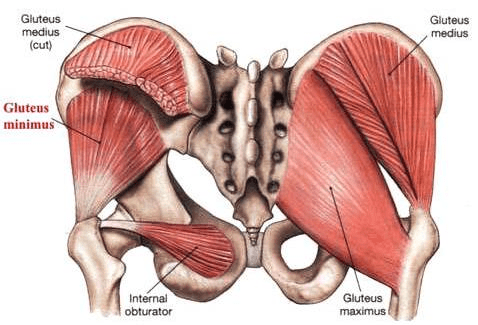
Please remember that your safety is the utmost priority, so if any of these are too difficult and compromise your safety, cease immediately and seek professional advice (we can do a telehealth consultation to discuss further – click here). All the groups of muscle that act on and around the pelvis play critical roles in stabilising the pelvis, trunk, and legs as we stand and move. Improving the strength, endurance, and mobility of the muscles will lead to increased capacities, thus increasing balance.
As you practice these exercises, remain mindful of your body alignment and technique—that’s key to effective falls prevention.
The following 5 exercises can be further regressed and/or progressed to suit your current level. If this is something that you require, please reach out to us anytime here. Good luck and remember, progress is better than perfection!
Good luck and remember, progress is better than perfection!
Instructions:
The more you understand your body’s capabilities, the more effective your falls prevention efforts will be.
Note: This can be progressed by removing the assistance and/or adding a theraband.
2. Sit-to-Stand
Exercises such as sit-to-stand improve the legs’ strength, posture, and balance, all of which are important for decreasing the risk of falls.
Note: This can be progressed by removing the assistance (if applicable) and holding some weights in your hands
The single-leg stance is an excellent balance exercise that can dramatically improve balance.
Instructions:
Note: This can be progressed by removing the assistance (if applicable) and/or adding a further unstable floor (via foam mat, pillow) and/or closing your eyes
4. Calf Raises
The calf muscles are commonly neglected when it comes to exercises; however, these play a critical role in walking, standing, and balance.
Note: This can be progressed by doing the movement off a step and lowering further. Further progression will be doing single-legged.
Incorporating various types of training can lead to a comprehensive approach to falls prevention, addressing strength, balance, and flexibility.
Always consult with a healthcare professional if you have concerns about fall prevention, as they can tailor a program specific to your needs.
5. Alternate Step Returns (Step-up)
Exercises such as step-ups help strengthen the muscles of the legs and thighs.
Instructions:
Note: This can be progressed by removing the assistance (if applicable) and/or adding a single leg stance (as above in #3) at the top and/or holding weights in your hands.
Staying informed about the latest research and techniques in falls prevention is essential for maintaining your safety.
By prioritising falls prevention, you are taking an important step toward preserving your independence and quality of life.
Written by Trent Carruthers, Accredited Exercise Physiologist at Activ8 Health Club
Ultimately, falls prevention is a journey that requires commitment and consistent effort, but the rewards are well worth it.
In conclusion, falls prevention should be a priority for everyone, regardless of age, as it promotes a safer living environment.