Absolutely!
Exercise is good for people with cardiovascular diseases because it helps to reduce symptoms while also increasing their quality of life.

According to many scientific studies, cardiovascular disease can be reversed through exercise. Exercise has many positive effects on cardiovascular health in varying ways. Some of these comprise lowering blood pressure, reducing blood lipids, increasing HDL cholesterol, reducing triglyceride levels and improving vascular function.

Yes…!
Exercise can help to lower blood pressure and cholesterol levels, thus, in turn, helping to lower the risk of developing cardiovascular-related diseases such as Atherosclerosis (build-up of plaque in artery walls).
When it comes to modern exercise, the consensus is that exercise is good for the body, good for the mind, and good for overall health. However, some of the common questions are regularly asked.
These questions have been answered for you in the following blog.
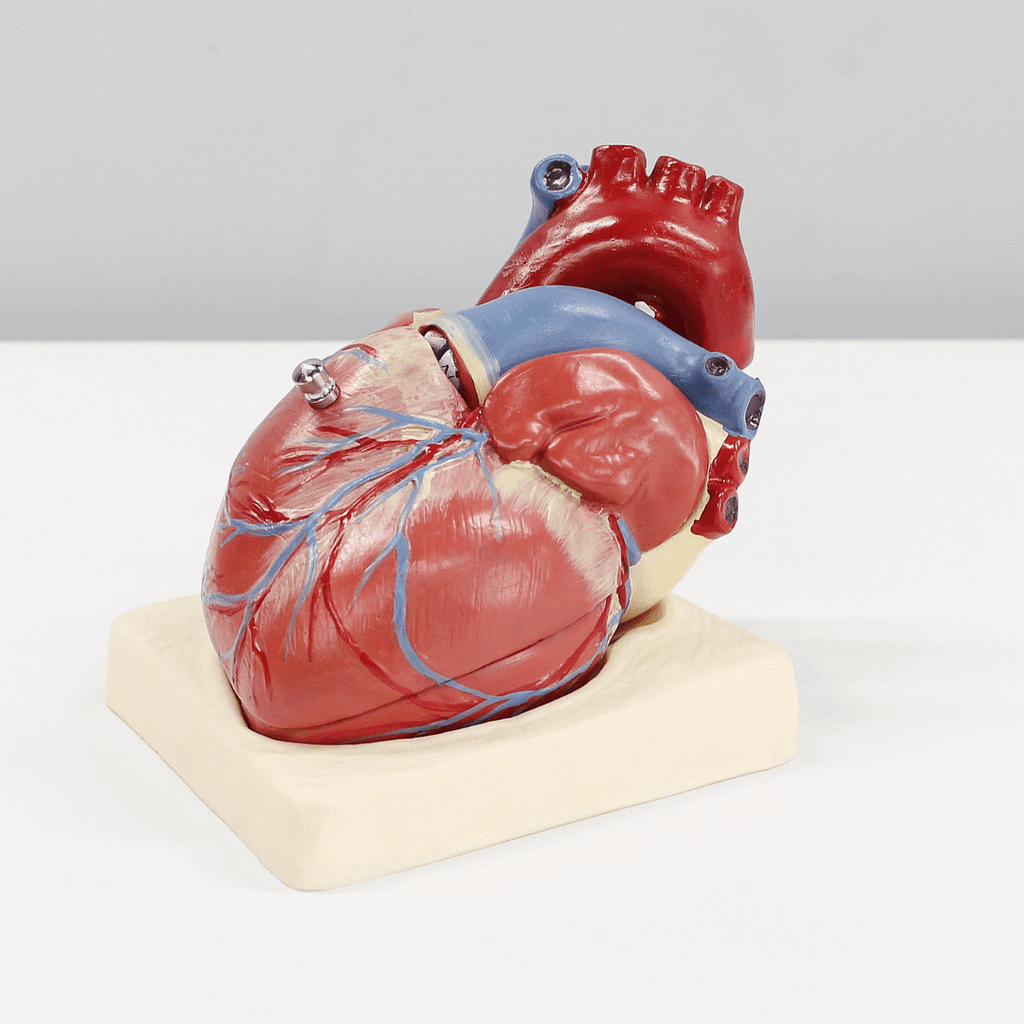
This includes ailments such as coronary heart disease, arrhythmia, congestive heart failure, and pulmonary hypertension. There are many benefits to exercise for people with these diseases or conditions. One of the benefits is that they can improve their quality of life by increasing their physical activity and reducing the effects of inactivity. In addition, regular physical activity can reduce symptoms like chest pain and shortness of breath while also reducing the risk for other issues.
Exercise is beneficial because it helps to reduce symptoms while also increasing quality of life. As shocking as it may be, even those who have experienced full-fledged heart failure were found to benefit tremendously from exercise.
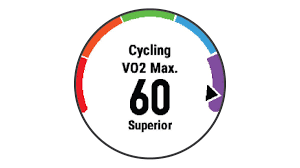
Why? Because exercise increases the heart’s ability to effectively and efficiently pump oxygen-rich blood throughout the body. The more practice the heart has at doing this, the more effective and efficient it’ll become as one increases with age. It is also important to know that regular aerobic exercise leads to an increase in VO2 max, which is strongly correlated to mortality rates. To learn more about increasing this, read our blog here on How to Improve Your Cardiopulmonary Fitness (VO2max)
According to many scientific studies, heart disease can be reversed through exercise. Exercise provides multiple benefits, including reducing the risk of heart disease and type 2 diabetes. It also reduces inflammation and hypertension (high blood pressure).
Exercise has many positive effects on health in varying ways. Some of these comprise lowering blood pressure, reducing blood lipids, increasing HDL cholesterol, reducing triglyceride levels and improving vascular function. These benefits have been proven to help reverse heart disease in some patients, so start exercising now.
Regular exercise has many health benefits, including preventing heart disease. Exercise can help to lower blood pressure and cholesterol levels, thus, in turn, helping to lower the risk of developing related diseases such as Atherosclerosis (build-up of plaque in artery walls).
Exercise is also good for your mental health, as it is a critical element in improving sleep and anxiety levels. This will lead to reducing stress levels, which has been scientifically proven to lower your risk of heart disease and stroke.
To reap these benefits from regular exercise, you should aim for at least 30 minutes of moderate-intensity physical activity on most days, a total of a minimum of 150 minutes of moderate-intensity or 300 minutes of light-intensity exercise every week. This could be anything from gardening to playing sports, dancing or simply walking.
As one of the most basic forms of physical activity and one that millions of us engage in daily, walking can increase HDL cholesterol in our bodies, ultimately making our cardiovascular system stronger and more resistant to disease. Some studies have shown that regular exercise was significantly correlated to a reduction of over 50% in coronary events.

Some Next Steps and Cautions!
As shown, regular exercise (comprising greater than 150 minutes of moderate-intensity or 300-minute light-intensity) will increase the effectiveness and efficiency of your body and will even help to reduce your risk for heart disease in the future. Furthermore, it can even reverse heart disease in many ways.
Whilst this is the case, if you have already been diagnosed with some form of cardiovascular condition, you must always be sure to know your limit and what exercise intensity thresholds you should remain in, as when it comes to physical activity, the heart works harder to effectively distribute blood and oxygen throughout the body, which may impact your condition.
In addition, when engaging in any form of physical activity, certain conditions may inhibit the efficiency of your heart, which could have potentially devastating implications if you exceed your limit. It is always recommended to consult your health professionals and cardiologists before engaging in any sort of physical activity. If you want to speak with an Accredited Exercise Physiologist (100% free), follow this link and book a free Telehealth consultation.
Written by Accredited Exercise Physiologist Kaitlyn Eisenhuth from Activ8 Health Club.