Like the deadlift, the squat is one of the most utilised movements in everyday living and is critical to include in your exercise routines. You would be performing this movement numerous times throughout your day without even knowing…. for example, sitting down to eat or even sitting on the toilet!
This exercise engages the majority of muscles in your body, including the stabilising ones around your spine that help with improving posture. Furthermore, adding this exercise will assist with your everyday activities, increase skeletal muscle mass, increase muscle and bone density, reduce the risk of falls and even stimulate certain hormonal processes (in particular testosterone) that in itself has additional benefits.
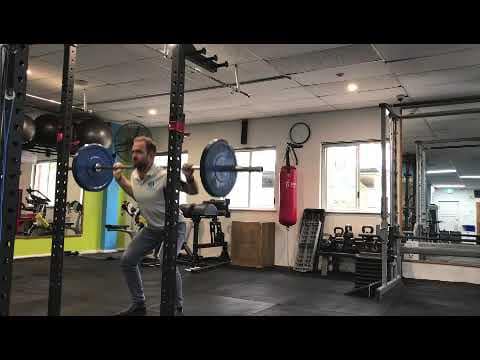

The weighted squat is one of the three powerlifting exercises, along with the Deadlift and Bench Press. Squats are a compound strength exercise that involves many joint actions and muscle group activations. They are not only used to improve lower body strength, endurance and power but also increase skeletal muscle mass, improve bone mineral density and even hormonal stimulation.
This fundamental movement is an excellent addition to anybody’s exercise program as it recruits nearly every muscle in the lower body and core (plus more!). The squat is also an extremely functional exercise as it simulates many typical movements we perform throughout our daily lives, for example, standing up from a chair, getting up and down from the floor and using the toilet.

Squatting is an extremely versatile movement that can be progressed and regressed depending on your experience, strength and mobility. There are many different squat pattern variations that are used to target different muscle groups depending on your goals, current health status and abilities.
Variations include different stances (e.g. wide and narrow), different loading positions (e.g. back squat, front, Goblet squat), changes in foot placement (e.g. heels elevated, pistol squat (single leg), types of resistance (e.g. dumbbells, kettlebells, barbells, resistance bands), changes in speed or tempo and differences in squat depth/range (e.g. quarter, half or full squats) just to name a few.
Each squat variation impacts and alters movement mechanics, and therefore muscle recruitment, so it is important to pick the right variation for your individual needs. This can be provided by an exercise expert if you are unsure.

Squats are one of the most effective exercises for strengthening the entire lower limb. The squat is an extremely functional movement, mimicking many different activities of daily living, making it an ideal choice for general health and fitness training programs. Additionally, squats require a significant amount of recruitment of your lumbo-pelvic-hip complex (pelvis, low back and core) and all your muscles critical for improving and maintaining your posture.
Some of the other health benefits of the squat are;
– Increase muscle size and mass to assist with daily tasks
– Increase BMD (Bone Mineral Density)
– Counteract age-related pathologies – e.g. sarcopenia
– Release of testosterone and other anabolic hormones
– Power development and improvements
– Reduce fall risk
– Improved posture
– Treat and manage low back pain
– Increased core strength & power
– Reduction in blood pressure
– Increase mental health
And many more…
Gradual progression of exercises is critical to avoiding injuries and allowing your connective tissue to adapt to the stimulus applied. When starting out with a new exercise, such as the squat, it is recommended that you perform an exercise that can be safely and effectively performed. Below are some progressions to follow to perform the perfect squat pattern;
1. Seated Leg Ext & Leg Curl
2. Leg Press
3. Sit to Stand
4. Box Squat
5. Squat
6. Overhead Squat
The squat is one of the three powerlifting exercises, along with the Deadlift and Bench Press. Squats are a compound strength exercise that involves many joint actions and muscle group activations. They are not only used to improve lower body strength, endurance and power but also increase skeletal muscle mass, improve bone mineral density and even hormonal stimulation.
This fundamental movement is an excellent addition to anybody’s exercise program as it recruits nearly every muscle in the lower body and core (plus more!). The squat is also an extremely functional exercise as it simulates many typical movements we perform throughout our daily lives, for example, standing up from a chair, getting up and down from the floor and using the toilet.
Squatting is an extremely versatile movement that can be progressed and regressed depending on your experience, strength and mobility. There are many different squat pattern variations that are used to target different muscle groups depending on your goals, current health status and abilities. Variations include different stances (e.g. wide and narrow), different loading positions (e.g. back or front), changes in foot placement (e.g. heels elevated), types of resistance (e.g. dumbbells, kettlebells, barbells, resistance bands), changes in speed or tempo and differences in squat depth/range (e.g. quarter, half or full squats) just to name a few.
Each squat variation impacts and alters movement mechanics, and therefore muscle recruitment, so it is important to pick the right variation for your individual needs. This can be provided by an exercise expert if you are unsure.
Shown below is an example flowchart of how the squatting movement pattern could be progressed, starting from a simple variation that utilises one major muscle group at a time, to more complex movements requiring greater control and recruitment of multiple major muscle groups simultaneously.

In the table below, we have summarised some of the key information about just a few of the many squat variations to help you gain a better understanding of what muscles are recruited, the benefits and safety tips.
| Primary Muscles Recruited (Note: many other muscles are working throughout all squat variations) | Performance & Safety Tips | Main Benefits | |
| Leg Press | Seated – Quadriceps – Glutes – Hamstrings – Calf Muscles – Adductors Lying – Places a greater emphasis on the quadriceps – Secondary muscles include – the glutes, hamstrings & calf muscles | Primary Muscles Recruited (note: many other muscles are working throughout all squat variations) | – The leg press targets the same muscle groups as a traditional barbell back squat; however, it places much less load through the lower back – The leg press is great for beginners as it is much less technical than a squat, but still allows you to build lower-body strength effectively. – All-round lower body recruitment and strengthening exercise, eliminating the balance and stability of a traditional squat |
| Box Squat | – Glutes – Hamstrings – Quadriceps – Lumbar Spine Muscles & Core | Primary Muscles Recruited (Note: many other muscles are working throughout all squat variations) | – This squat variation places more emphasis on the muscles of the posterior chain (glutes, hamstrings and Erector Spinae muscles) as you are squatting backwards (pushing your hips further back) rather than down (as seen in a more traditional back squat). – The addition of the box provides you with feedback on your squat depth and guides your squatting range of motion. This feedback may be beneficial when wanting to focus on technique – All-round lower body recruitment and strengthening exercise. – A very functional movement that simulates many daily activities |
| Barbell Front Squat | – Quadriceps – Glutes – Hamstrings – Abdominals – Lower back (Erector Spinae), upper back – Shoulders | – Start with a barbell resting across the top of your back (not neck). Set feet up about shoulder-width apart. – Brace your core, bending at the knees and slowly lowering yourself downwards, pushing your hips back, keeping your chest up & back flat. – Continue squatting until your thighs are parallel to the floor. From here, push through your heels to return to a standing position | – This variation places a greater emphasis on the anterior muscles of the lower leg (quadriceps muscles) due to the position of the bar. – During a front squat, there are less compressive forces placed through the knee and decreased loading through the low back/lumbar spine and still as effective in terms of muscle recruitment as traditional back squats. – All-round lower body recruitment and strengthening exercise. – A very functional movement that simulates many daily activities |
| Barbell Back Squat | – Quadriceps – Glutes – Hamstrings – Abdominals – Lower back (Erector Spinae), upper back – Shoulders | – Due to the posture position of the bar, this squat variation recruits more of the muscles in your posterior chain (Glutes, Hamstrings, Erector Spinae) – All-round lower body recruitment and strengthening exercise. – A very functional movement that simulates many daily activities – Reduce fall risk | – Set up a box or bench to squat down to – Using a weight of your choice (e.g. barbell, kettlebell, dumbbells), position the weight either across your back or hold it in front of your chest. – Initiate the movement by bracing your core, bending at the knees and shifting your hips back until your glutes make contact with the box/bench – Briefly pause at the bottom before driving through your heels to a standing position. Be sure to keep your core engaged & squeeze your glutes |


Squats are one of the most effective exercises for strengthening the entire lower limb. The squat is an extremely functional movement, mimicking many different activities of daily living, making it an ideal choice for general health and fitness training programs. Additionally, squats require a significant amount of recruitment of your lumbo-pelvic-hip complex (pelvis, low back and core) and all your muscles critical for improving and maintaining your posture.
Some of the other health benefits of the squat are;
Squats are extremely effective and functional movements that must be a staple in your exercise plan. This compound movement recruits a large number of major muscle groups in your body, leading to significant strength improvements, along with many other health benefits. This movement can be performed by anyone, ensuring you maintain the correct technique throughout. It is important that you are completing a squat variation that is appropriate for your goals, needs and level of fitness. If you need further guidance, please reach out to us and take advantage of a free 15min telehealth consultation with our exercise physiologist.
Written by Kaitlyn Eisenhuth, an Exercise Physiologist at Activ8 Health Club
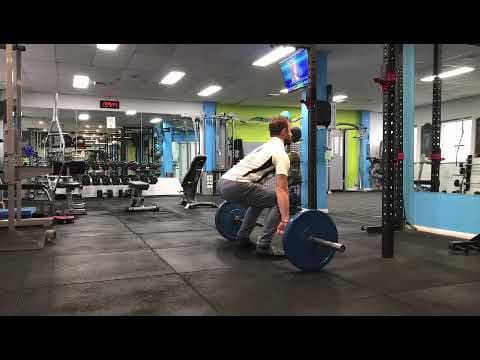

The deadlift is one of the three powerlifting exercises, along with the squat and bench press. Deadlifts are a compound (multiple joints involved) resistance training exercise where some form of weight (generally a barbell) is lifted off the ground to the level of the hips and then lowered to the ground.
Many types of weights/resistance can be used; the most common is a barbell, with other alternate options including deadlifts with kettlebells and dumbbells. The deadlift exercise is very functional as it simulates many typical movements we perform throughout our daily lives and should be included in all forms of exercise plans.
This exercise can be modified to suit every individual’s current condition and goals. It is critical that proper deadlift form is maintained and that the lifter takes time to allow their body to become conditioned to the resistance before progressing and lifting heavier.

Traditional Deadlift
Romanian Deadlift
Sumo Deadlift

Deadlifts are one of the most effective exercises for strengthening and building muscles in your lower body. Furthermore, deadlifts require a significant amount of recruitment of your core (All muscles acting on your pelvis – NOT just your abs….! click here to learn more about “your core”) and all your muscles critical for improving and maintaining your posture.
Some of the other health benefits of the deadlift are;
Release of testosterone and other anabolic hormones
Power development and improvements
Increase BMD (Bone Mineral Density)
Reduce falls risk
Improved posture
Treat and manage lower back pain
Increased core strength & power
Reduction in blood pressure
Increase mental health
and many more…….
The deadlift is one of the three powerlifting exercises, along with the squat and bench press. Deadlifts are a compound (multiple joints involved) resistance training exercise where some form of weight (generally a barbell) is lifted off the ground to the level of the hips and then lowered back to the ground. Many types of weights/resistance can be used; the most common is a barbell, with other alternate options including deadlifts with kettlebells and dumbbells. The deadlift exercise is very functional as it simulates many typical movements we perform throughout our daily lives and should be included in all forms of exercise plans.
This exercise can be modified to suit every individual’s current condition and goals. It is critical that proper deadlift form is maintained and that the lifter takes time to allow their body to become conditioned to the resistance before progressing and lifting heavier.
There are many different variations of the deadlift, with different stances, grips and movement patterns. The main differences. There are also many progressions and regressions (besides altering weight) possible for those initially unable to correctly perform the deadlifts. For the sake of this blog and maintaining simplicity so you can get started immediately, we are going to do a shallow dive into the 3 most common; The Traditional, Romanian and Sumo deadlifts. A basic description, main muscles recruited, benefits and basic performance tips have been provided in the table below for your reference.
| Primary Muscles Recruited (Note: many other muscles are working throughout all forms of deadlifts) | Performance & Safety Tips | Main Benefits | |
| Traditional (Shown in the above video) | Primary Muscles Recruited (note: many other muscles are working throughout all forms of deadlifts) | – Take a stance that feels comfortable for you. Everyone’s biomechanics and joint (ankle, knee & hip) integrity will play a role – Initiate the movement by leaning back against the bar and “pulling the bar up with your chest” (avoid standing up before the bar comes off the ground) – Ensure you are strong throughout your upper body. – Initiate the downwards phase by pushing/hinging back at the hips. Follow this by bending knees whilst maintaining a strong upper body. – Control the entire movement up/down | – Posterior/Back Muscles (Latissimus Dorsi, Trapezium, Erector Spinae etc) – Abdominals – Glutes – Quadriceps – Hamstrings |
| – All-round lower body recruitment and strengthening exercise. – A very functional movement that simulates many daily activities – Anabolic hormones & Testosterone release – Reduce fall risk – Lower body power development | – Hamstrings – Glutes | – Ensure movement comes from hinging at the hips, whilst knees remain relatively still and unlocked | – Greater hamstring and glute recruitment, thus strengthening |
| – Posterior/Back Muscles (Latissimus Dorsi, Trapezium, Erector Spinae etc) – Abdominals – Glutes – Quadriceps – Adductors – Hamstrings | Primary Muscles Recruited (Note: many other muscles are working throughout all forms of deadlifts) | – Take a wider stance compared to traditional and Romanian – Grip bar inside the legs | Romanian (Shown in the video below) |


Deadlifts are one of the most effective exercises for strengthening and building muscles in your lower body. Furthermore, deadlifts require a significant amount of recruitment of your core (All muscles acting on your pelvis – NOT just your abs….! click here to learn more about “your core”) and all your muscles critical for improving and maintaining your posture.
Some of the other health benefits of the deadlift are;
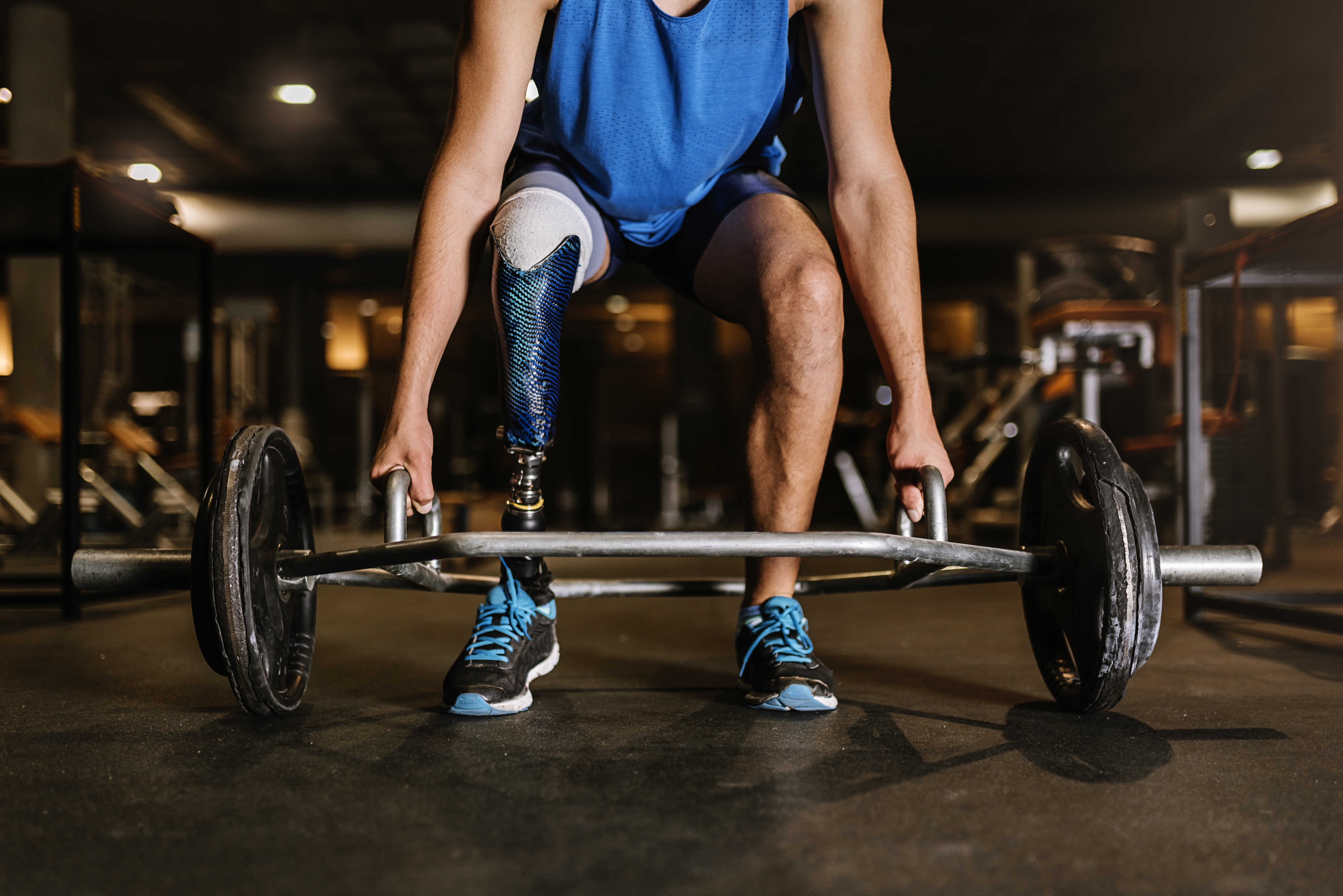
This amazing compound and functional movement needs to be a staple in your exercise plan, no matter your current health and medical situation, goals or ambitions!
Performed correctly, recruitment from nearly every muscle in your body is required, leading to significant health benefits, not only strength. This movement can be performed by anyone, with the range and load varying to meet your needs and abilities. This can simply be started with no weight, so get started now. If you need further guidance, please reach out to us and take advantage of a free 15min telehealth consultation with our exercise physiologist.
Written by Trent Carruthers and Kaitlyn Eisenhuth, Exercise Physiologists at Activ8 Health Club

Endometriosis. It’s a chronic condition that affects roughly 1 in 10 Australian women of reproductive age. So, can exercise help, and which movements are safe for those living with endometriosis?
Endometriosis is a gynecological condition where ‘endometrial-like tissue’ grows outside the uterine cavity, usually around the pelvis. It’s called ‘endometrial-like tissue’ because although it shares a number of similar properties with the cells found in the uterine cavity, it’s not identical.
Whilst there is currently no known cause for this condition, we do know that endometriosis is fueled by the hormone estrogen. Unfortunately, the human body can’t remove this tissue growth. So, with every menstrual cycle, scar tissue forms through the associated hormone release. This can cause a wide range of symptoms such as chronic pelvic pain, dysmenorrhea, inflammation, bloating and cramping, all of which have a significant effect on the patient’s health and quality of life.
Symptoms can also vary significantly from person to person, which often leads to extensive delays in diagnosis. Currently, an accurate diagnosis can take between seven and twelve years.1
Awareness of Endometriosis is increasing due to the release of the ‘National Action Plan for Endometriosis’ in July 2018 by the Department of Health. This action plan called for greater awareness and education of the condition, improved access to appropriate services and support for further research. Currently, endometriosis is reported to cost more than $7.7 billion to the Australian economy. This includes its impact on healthcare, absenteeism from education and work, and lost social and economic participation.
Regular physical exercise can have protective effects against diseases that involve inflammatory processes, such as endometriosis. This is because exercise causes an increase in the anti-inflammatory and antioxidant markers within the body. Exercise also acts to reduce estrogen levels, making it a great idea to incorporate exercise into your recovery and disease management.
Currently, there are no specific guidelines surrounding exercise prescription for individuals with endometriosis. Exercise is prescribed to assist with symptom management, rather than as an actual treatment for the condition itself.
The pain and discomfort associated with endometriosis, often described as lower back and pelvic pain, can cause a guarding mechanism within the body, where the body braces to protect itself from pain. This bracing can affect the anterior side of the body, including the pelvic floor, abdominal wall, hip flexors and adductors, as well as affecting posture. Therefore, for people wishing to resume exercise, it’s advantageous to first focus on the lengthening and strengthening of these muscle groups.
Exercises based around the principles of Pilates and Yoga can be fantastic to help these muscles release. Stretches such as seated gluteal stretches, seated hip flexor stretch and a wall side bend stretch can also be really helpful for muscle groups.

Following recovery from laparoscopic surgery, it’s great to then progress individuals to exercises involving the muscles around the pelvis – the pelvic floor and glutes! Gentle progression into resistance-based exercises to start activating the glutes includes exercises such as:
Exercises focusing on these muscles help to support the lumbo-pelvic region of the body. For this reason, gradually adding strengthening exercises can help manage your symptoms.
Following an initial endometriosis diagnosis, there are some exercises that should be avoided. These include:
That’s not to say you can never return to these high-impact style exercises. Initially, though, rest and recover to allow your body to heal. Work on managing any associated symptoms before processing exercises, both in resistance and intensity.
It’s always recommended to work with a professional like an Accredited Exercise Physiologist (AEP) prior to commencing any exercise to assist in the management of chronic conditions. They can prescribe exercises that are safe and tailored to your specific needs and abilities.
Written by Brittany Cogger, Accredited Exercise Physiologist.

When it comes to chronic pain, one shoe does not fit all; however, the answer is NO!
Exercise and regular movement have been proven to be a critical component of the treatment and management plan for chronic pain. The best form of treatment is a holistic team care approach that takes into account all your different health and wellness factors.

It is important to get expert advice before commencing an exercise plan,
Simple movements that you do daily are a great way to start.
For example, walking, water activities (swimming, walking, running),
sit-to-stand (STS) and basic balancing exercises (for example, single-leg stance)

Exercise physiologists use exercise/s as a treatment modality. You do need to be careful and tailor your treatment plan to you that takes into account elements including (but not limited to) your current medical and injury condition/s, physical and psychological capacities, equipment availability, and other external factors such as living arrangements and work demands.

Definitely not, and you need to be careful not to become reliant on these!
Pain significantly impacts the way we feel and think, and is at times debilitating, leading to seeking quick fixes. You must seek expert advice, continue to move to any capacities possible and maintain a positive mindset, as this will also influence your treatment outcomes.
Don’t Quit! Exercise WILL Help!
Chronic pain is never enjoyable, and in fact, it can wreak havoc on the lives of those affected by it. Sometimes, your chronic pain may be causing you so much distress that you’ve stopped doing the things that you love to do simply because you’re afraid of causing yourself even more pain. For many of those who experience chronic pain, their first instinct tells them to quit working out and stop all physical activity, but did you know that a decision like that is actually counterproductive?
That’s right! Exercise plays a critical role in relieving your pain, as bizarre as that sounds. Chronic pain can severely impact your quality of life, but you don’t have to let it consume you! And keep in mind that no one is telling you to go outside and immediately run a Marathon, or participate in a Tough Mudder, but you can remain active.
Every individual and circumstance varies, so a tailored approach is critical; you should consult your health team before starting. Your exercises need to be specific to you and your circumstances, and gradually progress in line with your improvements. It is highly recommended that a team of holistic allied health professionals work together to achieve your desired outcomes without any exacerbations. If you are looking for this, let us know. Leveraging the power of the internet and technology, we are able to assist you along this journey from anywhere in the world!
Below we have provided a summary and some perfect exercises to get started, so continue to read on!
Aerobic exercise is a sustained, rhythmic movement that utilises oxygen for energy production. Aerobic exercise is a type of physical activity that speeds up your heart rate and breathing, whilst using your muscles and joints, which is critical for chronic pain. Aerobic exercise can simply be done in any type of surroundings, such as a gym or outside. Some additional benefits of aerobic exercises include reducing muscle and joint tension, lowering anxiety, improving mood and lowering depression.
Some examples of aerobic exercises that are beneficial for chronic pain include;
It may sound silly, but walking is certainly a form of aerobic physical exercise, especially if it’s done at a consistent pace and rhythm. As a low-impact activity, walking isn’t particularly hard on the joints, muscles, or bones. It’s the perfect choice for those who want to maintain some sort of physical activity but may not have the strength or ability due to pain to do anything more. And the best thing about walking is that it can be done anywhere and on your own time.
For a virtually no-impact workout, swimming is the perfect alternative if certain movements are too painful. The deeper the water, the greater the assistance and load off your joints. For those with arthritis, joint issues, or any other types of chronic pain, swimming allows you to get your heart pumping fast, your adrenaline to an elevated level, and your endorphins active, so that you can reap the benefits of the body’s natural pain reliever.
Mobility is a term that is used to describe the ability to move and move freely. An inability to do so can result in a loss of independence, the ability to perform your daily activities and even chronic pain. Increasing your mobility is the most critical component to helping with chronic pain and the first place to start!
Static stretching is the form of stretching where the person stretches a muscle to its maximum length and then holds that position for up to 60 seconds. Then the person slowly releases that muscle and then holds it for about 10 seconds before moving on to another muscle group.
Stretching is important because it reduces muscle soreness, improves blood flow, increases joint mobility, and helps with chronic pain.
A low-impact to no-impact activity, Yoga is the perfect combination of physical activity and mindfulness to help you alleviate your symptoms caused by chronic pain. If you’re able to participate, Yoga helps you to control your breathing, which may be just as helpful as the actual physical movements and stretching when it comes to easing your pain. There are different forms of yoga, even forms that can be done in a chair, so it will suit everyone!
Dynamic stretching is a great way to increase blood flow and range of motion at your joints, especially relating to chronic pain. It is, however, critical to know that whilst doing this with your pain, you will most likely have a reduced range due to guarding, so stay within your pain-free range. Over time, this will increase, and you can adapt. There are many forms of dynamic mobility, so if you want a tailored plan, please reach out for a free telehealth consultation.

Even considering your pain levels, you can certainly perform some resistance training! This type of exercise can certainly help to alleviate pain; it is more particularly maintaining strength and functional levels that will ensure you can continue to perform your ADLs and have the desired QOL. Always be sure to pace yourself when engaging in strength training, and the movements should be within pain-free ranges and functional to your lifestyle. Ensure you also don’t overdo it, and maybe look to introduce some basic bodyweight workouts like sit-to-stands and step-ups.


Your Next Steps!
The key point is that any movement is critical to helping you with your chronic pain. A tailored approach is important, and you should consult your team of health professionals to ensure guidance and exacerbation are avoided. If you have any further questions and/or concerns, contact us anytime.
Written by Trent Carruthers, Accredited Exercise Physiologist at Activ8 Health Club.

Generally speaking, as we age, we experience muscle atrophy (muscle loss), which leads to a significant loss of strength. If this occurs in any of the muscles that act on the pelvic and/or lower limbs and are primarily responsible for balance, you will experience reduced balance.
Other considerations include medication, blood pressure, changes in your visual and cognitive systems and/or other medical condition/s. If you feel this may be the cause, please immediately seek expert advice from your GP or current treating parties.

Movement and general neuromuscular strengthening will help reduce muscle atrophy and strengthen. Some examples that can be done at home include;
1. Standing Abduction
2. Sit-to-stand
3. Single Leg Stance
4. Calf Raises
5. Alternate Step Returns (Step-up)

This is a common and great question.
Generally speaking, if you are at risk of falls in certain environments (for example, uneven ground), if it is stopping you from exercising or without guidance, it is highly recommended. If you are using a device, ensure it is set up correctly to avoid other injuries.
The truth is that every age is susceptible to falling; however, the risk continues to increase as we age. Your fall risk can easily be tested and improved with simple exercises performed consistently. If you want this test, please contact us via info@activ8.club, and we will send it to you.
To enhance falls prevention, it is essential to understand the various factors that contribute to an increased risk of falls and how regular exercise can mitigate these risks. Incorporating falls prevention strategies into your daily routine can significantly improve your safety.
Implementing falls prevention techniques not only protects you from injuries but also empowers you to maintain your independence. Regular engagement in exercises focused on falls prevention can lead to improved strength and balance.
Effective falls prevention is achievable through understanding and practising safe exercises. These exercises are designed to enhance stability, ultimately serving as a critical component of your falls prevention plan.
When focusing on falls prevention, it is vital to regularly assess your environment to minimise hazards. A proactive approach to falls prevention can greatly reduce your risk.
Falls and other related injuries can be prevented with regular exercise prescription, pursuing improvements in joint integrity via increases in mobility, neuromuscular strength and endurance. All elements must be considered and improved in conjunction with each other, which is tailored to your current health circumstances.
Remember, developing a routine centred on falls prevention can lead to long-term benefits for your overall health and safety.
For fall prevention, there are plenty of exercises available online, so we have simplified your life by providing the top 5 you can do at home at no cost!
Engaging in falls prevention strategies can also foster a greater sense of confidence, allowing for more active participation in daily activities.
Please remember that your safety is the utmost priority, so if any of these are too difficult and compromise your safety, cease immediately and seek professional advice (we can do a telehealth consultation to discuss further – click here). All the groups of muscle that act on and around the pelvis play critical roles in stabilising the pelvis, trunk, and legs as we stand and move. Improving the strength, endurance, and mobility of the muscles will lead to increased capacities, thus increasing balance.
As you practice these exercises, remain mindful of your body alignment and technique—that’s key to effective falls prevention.
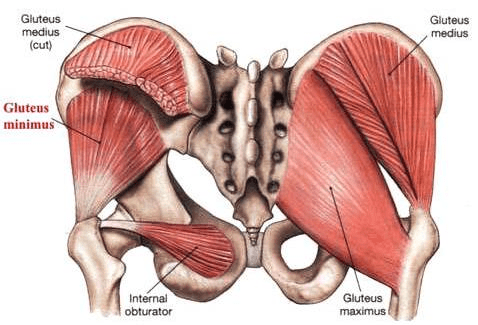
The following 5 exercises can be further regressed and/or progressed to suit your current level. If this is something that you require, please reach out to us anytime here. Good luck and remember, progress is better than perfection!
Good luck and remember, progress is better than perfection!
Instructions:
The more you understand your body’s capabilities, the more effective your falls prevention efforts will be.
Note: This can be progressed by removing the assistance and/or adding a theraband.
2. Sit-to-Stand
Exercises such as sit-to-stand improve the legs’ strength, posture, and balance, all of which are important for decreasing the risk of falls.
Note: This can be progressed by removing the assistance (if applicable) and holding some weights in your hands
The single-leg stance is an excellent balance exercise that can dramatically improve balance.
Instructions:
Note: This can be progressed by removing the assistance (if applicable) and/or adding a further unstable floor (via foam mat, pillow) and/or closing your eyes
4. Calf Raises
The calf muscles are commonly neglected when it comes to exercises; however, these play a critical role in walking, standing, and balance.
Note: This can be progressed by doing the movement off a step and lowering further. Further progression will be doing single-legged.
Incorporating various types of training can lead to a comprehensive approach to falls prevention, addressing strength, balance, and flexibility.
Always consult with a healthcare professional if you have concerns about fall prevention, as they can tailor a program specific to your needs.
5. Alternate Step Returns (Step-up)
Exercises such as step-ups help strengthen the muscles of the legs and thighs.
Instructions:
Note: This can be progressed by removing the assistance (if applicable) and/or adding a single leg stance (as above in #3) at the top and/or holding weights in your hands.
Staying informed about the latest research and techniques in falls prevention is essential for maintaining your safety.
By prioritising falls prevention, you are taking an important step toward preserving your independence and quality of life.
Written by Trent Carruthers, Accredited Exercise Physiologist at Activ8 Health Club
Ultimately, falls prevention is a journey that requires commitment and consistent effort, but the rewards are well worth it.
In conclusion, falls prevention should be a priority for everyone, regardless of age, as it promotes a safer living environment.

Absolutely!
Exercise is good for people with cardiovascular diseases because it helps to reduce symptoms while also increasing their quality of life.
According to many scientific studies, cardiovascular disease can be reversed through exercise. Exercise has many positive effects on cardiovascular health in varying ways. Some of these comprise lowering blood pressure, reducing blood lipids, increasing HDL cholesterol, reducing triglyceride levels and improving vascular function.

Yes…!
Exercise can help to lower blood pressure and cholesterol levels, thus, in turn, helping to lower the risk of developing cardiovascular-related diseases such as Atherosclerosis (build-up of plaque in artery walls).
When it comes to modern exercise, the consensus is that exercise is good for the body, good for the mind, and good for overall health. However, some of the common questions are regularly asked.
These questions have been answered for you in the following blog.
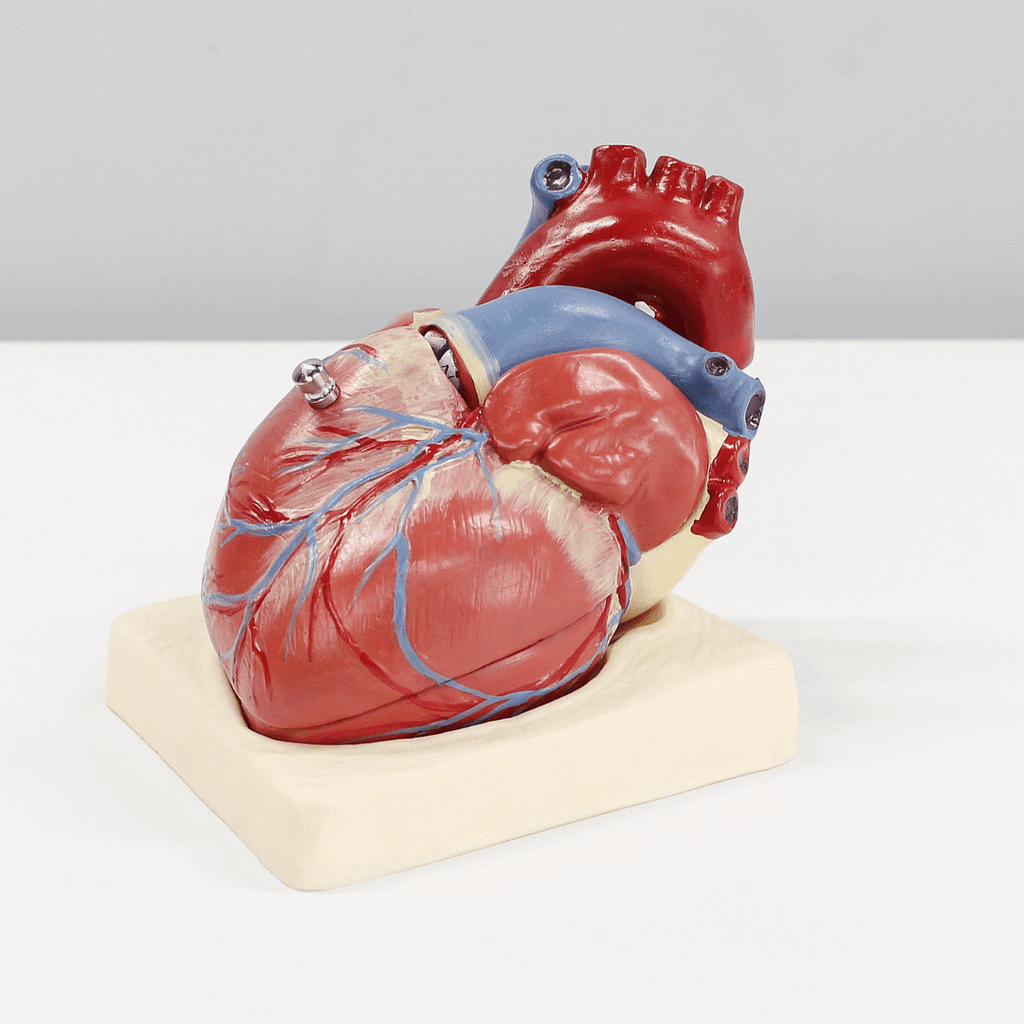
This includes ailments such as coronary heart disease, arrhythmia, congestive heart failure, and pulmonary hypertension. There are many benefits to exercise for people with these diseases or conditions. One of the benefits is that they can improve their quality of life by increasing their physical activity and reducing the effects of inactivity. In addition, regular physical activity can reduce symptoms like chest pain and shortness of breath while also reducing the risk for other issues.
Exercise is beneficial because it helps to reduce symptoms while also increasing quality of life. As shocking as it may be, even those who have experienced full-fledged heart failure were found to benefit tremendously from exercise.
Why? Because exercise increases the heart’s ability to effectively and efficiently pump oxygen-rich blood throughout the body. The more practice the heart has at doing this, the more effective and efficient it’ll become as one increases with age. It is also important to know that regular aerobic exercise leads to an increase in VO2 max, which is strongly correlated to mortality rates. To learn more about increasing this, read our blog here on How to Improve Your Cardiopulmonary Fitness (VO2max)
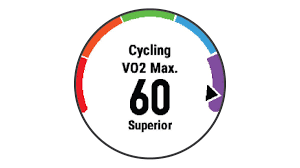
According to many scientific studies, heart disease can be reversed through exercise. Exercise provides multiple benefits, including reducing the risk of heart disease and type 2 diabetes. It also reduces inflammation and hypertension (high blood pressure).
Exercise has many positive effects on health in varying ways. Some of these comprise lowering blood pressure, reducing blood lipids, increasing HDL cholesterol, reducing triglyceride levels and improving vascular function. These benefits have been proven to help reverse heart disease in some patients, so start exercising now.
Regular exercise has many health benefits, including preventing heart disease. Exercise can help to lower blood pressure and cholesterol levels, thus, in turn, helping to lower the risk of developing related diseases such as Atherosclerosis (build-up of plaque in artery walls).
Exercise is also good for your mental health, as it is a critical element in improving sleep and anxiety levels. This will lead to reducing stress levels, which has been scientifically proven to lower your risk of heart disease and stroke.
To reap these benefits from regular exercise, you should aim for at least 30 minutes of moderate-intensity physical activity on most days, a total of a minimum of 150 minutes of moderate-intensity or 300 minutes of light-intensity exercise every week. This could be anything from gardening to playing sports, dancing or simply walking.
As one of the most basic forms of physical activity and one that millions of us engage in daily, walking can increase HDL cholesterol in our bodies, ultimately making our cardiovascular system stronger and more resistant to disease. Some studies have shown that regular exercise was significantly correlated to a reduction of over 50% in coronary events.

Some Next Steps and Cautions!
As shown, regular exercise (comprising greater than 150 minutes of moderate-intensity or 300-minute light-intensity) will increase the effectiveness and efficiency of your body and will even help to reduce your risk for heart disease in the future. Furthermore, it can even reverse heart disease in many ways.
Whilst this is the case, if you have already been diagnosed with some form of cardiovascular condition, you must always be sure to know your limit and what exercise intensity thresholds you should remain in, as when it comes to physical activity, the heart works harder to effectively distribute blood and oxygen throughout the body, which may impact your condition.
In addition, when engaging in any form of physical activity, certain conditions may inhibit the efficiency of your heart, which could have potentially devastating implications if you exceed your limit. It is always recommended to consult your health professionals and cardiologists before engaging in any sort of physical activity. If you want to speak with an Accredited Exercise Physiologist (100% free), follow this link and book a free Telehealth consultation.
Written by Accredited Exercise Physiologist Kaitlyn Eisenhuth from Activ8 Health Club.
We’ve heard them exercise myths before. With so much content and opinion out there, it can be difficult to separate fact from fiction. In this blog, we shed light on seven common myths about exercise.
Let’s dive into some of the most common exercise myths that persist in fitness culture today. These exercise myths can lead to misunderstandings about the benefits of physical activity.
Many people fall victim to exercise myths. They believe certain activities will yield results that are simply not true. Understanding these exercise myths is crucial for effective workouts.
One of the most widespread exercise myths is the notion that more pain equals more gain. This exercise myth can discourage individuals from pursuing a balanced fitness regimen.
These exercise myths may lead to harmful practices, such as overtraining or neglecting important aspects of health and fitness. It’s vital to debunk these exercise myths for better results.
These exercise myths may lead to harmful practices. Such practices include overtraining or neglecting important aspects of health and fitness. It’s vital to debunk these exercise myths for better results.

Absolutely not!
Whilst feeling uncomfortable is associated with high-vigorous exercise, it does not have to be achieved to gain improvements in health and fitness.
You achieve different health benefits with different types of exercise and intensity levels, with some critical improvements obtained ‘without pain’.

Absolutely not!
Exercise and nutritional changes may reduce total body fat when done correctly; however, there is no way to target specific areas. There are many elements that influence is comprising of age, genetics, exercise type, diet, medication, medical conditions, etc

Unfortunately, this isn’t correct!
Sit-ups will help with building muscle mass and strength around your abdominals; however, they will not reduce fat. If you are looking for a leaner look, you will need to reduce your overall body fat.
Whilst evidence demonstrates increased benefits of exercise in conjunction with an increase in intensity, there is no need to overdo it. A consistent mix of light to moderate-intensity exercise each week that is performed safely is preferred over inconsistent maximal efforts. If you are inactive, starting with a daily 30-minute brisk walk can deliver significant health benefits, and you’re more likely to stick with it, too.
The current exercise recommendations, as stated by the Australian Physical Activity Guidelines, ESSA and the American College of Sports Medicine (ACSM), recommend a weekly accumulation of 150 minutes of vigorous or 300 minutes of moderate-intensity activity or a combination of both.
Health benefits include reducing the risk of heart disease, type 2 diabetes, and some cancers, as well as regulation of blood sugar, blood pressure, and cholesterol, weight maintenance, and assistance with weight loss. (1,2)
Recognising that exercise myths can hold back progress is essential for anyone trying to improve their health. Let’s address these exercise myths and set the record straight.
In summary, being aware of exercise myths can help individuals make more informed choices about their fitness journeys. Let’s work together to dispel these exercise myths and promote effective exercise habits.
Fad diets with caloric or nutrient restriction are often short-lived and may lead to even more weight gain in the long term. In reality, the key to sustainable weight loss is to create healthy eating habits that can be maintained with a lifestyle change(3).
Those who restrict calories, or who abstain from eating altogether, could be doing more harm than good. The weight that is lost in the first 4-6 weeks from Fad dieting is a majority of the time lost water and lean mass, with further reduction in your metabolism in conjunction with muscle atrophy (loss). Preserving lean tissue through exercise maintains the body’s metabolism, in order for energy (and calories) to be expended.
Therefore, we should focus not on “weight loss” but rather “fat loss”, and incorporate regular exercise for lean tissue preservation in any weight management program. It is also critical that your lifestyle is modified to maintain and achieve long-term results. Whilst significant fat reduction can be achieved through diet, exercisers also gain numerous additional health benefits such as improved insulin sensitivity for diabetes, cardiorespiratory fitness improvements and reduced risk of cardiovascular heart disease.
This long-standing myth is still promoted in magazines and online. Put simply, you won’t get sculpted, fat-free abs by doing crunches alone. Exercise and nutritional changes may reduce total body fat when done correctly; however, there is no way to target specific areas.
Recently, aerobic exercise has been associated with a preferential reduction in abdominal fat (5) ; however, further research is required. Further findings could have significant implications in public health, as waist circumference is considered a risk factor for chronic disease.

Contrary to popular belief, it’s not all about clocking up hour after hour on the pavement or bike to improve your cardiopulmonary endurance. It has been well established that high-intensity interval training (HIIT) is just as effective a method for increasing performance as it is for longer continuous bouts. Not only is interval training a time-saver, but it also provides variety and challenges to your training program and energy systems.
An emerging form of interval training, known as anaerobic or sprint interval training (SIT), is also showing potential in producing improvements in endurance through even shorter training bouts, where intervals of supra-maximal efforts are performed. (6,7)
Yes, we all have different body shapes, but does a genetic tendency for weight gain mean indefinite obesity?
A 2010 study found that amongst women identified with a genetic predisposition for obesity, the group with homozygous gene expression actually experienced the greatest weight loss from exercise. (8) As we know, in addition to weight management, exercise also delivers immense health benefits and reduces the risk of chronic disease. Research in this area is ongoing, but for now, it’s encouraging to find that achieving a healthy weight is not out of your control.
So what’s the take-home message here? Well, many factors influence weight loss and gain, and some will have to work harder than others. This doesn’t give anyone an excuse to not strive for improvements and/or reach their goals!
We now realise that sedentary time in modern society is having serious health implications, with Australians being sedentary for 7 to 10 hours each day (outside of sleeping). (9) Sedentary lifestyles are the leading cause for most chronic diseases, and surprisingly, sessions at the gym do not compensate for extended periods of sitting.
This means that with additional exercise, we must also spend less time sitting at work and at home. Even if the current recommended physical activity guidelines are met, interrupting and minimising sedentary time is still required to reduce the health risk. (1)
So start getting creative and walk to the printer, try a sit/stand desk to change your position, park further away and walk to work, catch one bus stop further so you have to walk there and encourage walking meetings with colleagues. You can read more about incidental physical activity in our blog.

Whilst walking, jogging, cycling, and swimming are well established as beneficial exercises, is there more we can do for optimal health?
It’s now recognised that resistance training is valuable for all ages, especially as we age. Biologically, building and maintaining muscle tissue is essential for energy metabolism, reducing the risk of chronic disease and falls prevention. Furthermore, functional benefits such as improvement in joint integrity, posture, mobility, and balance all become increasingly important with aging.
In addition to aerobic exercise, the latest Australian physical activity guidelines and ESSA now recommend 2-3 days per week of muscle-strengthening activity. (1) Strength training doesn’t have to be complicated; it can be done at home with little or no equipment. A couple of times each week, try fitting in some bodyweight exercises such as push-ups, lunges, and squats. Read our easy home-based exercises blog for further examples.
Written by Trent Carruthers – Exercise Physiologist
1. Commonwealth of Australia (2014). Australia’s Physical Activity and Sedentary Behaviour Guidelines for Adults (18-64 years).
2. Pescatello, Arena, Riebe, Thompson (Eds.) (2014), General Principles of Exercise Prescription. In ACSM’s Guidelines for Exercise Testing and Prescription. (pp 166-177).
3. Gögebakan, O., Weickert, M. O., Holst, C., Saris, W. H. M., Astrup, A., Pfeiffer, A. F. H., on behalf of DiOGenes. (2011). Effects of weight loss and long-term weight maintenance with diets varying in protein and glycemic index on cardiovascular risk factors: The diet, obesity, and genes (DiOGenes) study: A randomised, controlled trial. Circulation, 124(25),2829-2838. doi:10.1161/CIRCULATIONAHA.111.033274
4. Ross, R., Janssen, I., Dawson, J., Kungl, A.-M., Kuk, J. L., Wong, S. L., Hudson, R. (2004). Exercise-Induced Reduction in Obesity and Insulin Resistance in Women: A Randomised Controlled Trial. Obesity Research, 12(5), 789-798. doi: 10.1038/oby.2004.95
5. Horowitz, J. F., Leone, T. C., Feng, W., Kelly, D. P., Klein, S. (2000) . Effect of endurance training on lipid metabolism in women: a potential role for PPARalpha in the metabolic response to training. Am J Physiol Endocrinol Metab (279): E348–E355.
6. Stepto, N. K., Hawley, J. A., Dennis, S. C., & Hopkins, W. G. (1999). Effects of different interval-training programs on cycling time-trial performance. Medicine and Science in Sports and Exercise, 31(5), 736-741. doi:10.1097/00005768-199905000-00018
7. Kirsten A. Burgomaster, Scott C. Hughes, George J. F. Heigenhauser, Suzanne N. Bradwell, & Martin J. Gibala. (2005). Six sessions of sprint interval training increase muscle oxidative potential and cycle endurance capacity in humans. Journal of Applied Physiology, 98(6), 1985-1990. doi:10.1152/japplphysiol.01095.2004
8. Mitchell, J. A., Church, T. S., Rankinen, T., Earnest, C. P., Sui, X., & Blair, S. N. (2010). FTO Genotype and the Weight Loss Benefits of Moderate Intensity Exercise. Obesity, 18(3), 641-643. doi: 10.1038/oby.2009.311
9. Tilley, C., Sit less, move more: why Australia doubled its exercise guidelines, 12 March 2014. Accessed online Mon 26 Jan 2015. http://www.abc.net.au/news/2014-03-11/physical-activity-guidelines-explainer/5295552