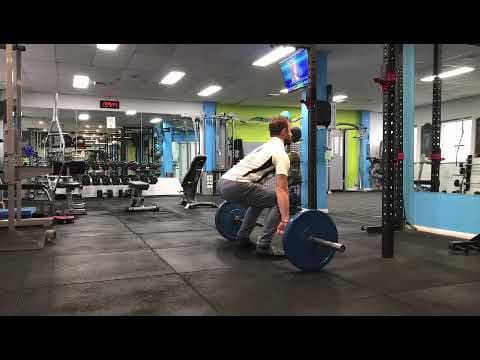

The deadlift is one of the three powerlifting exercises, along with the squat and bench press. Deadlifts are a compound (multiple joints involved) resistance training exercise where some form of weight (generally a barbell) is lifted off the ground to the level of the hips and then lowered to the ground.
Many types of weights/resistance can be used; the most common is a barbell, with other alternate options including deadlifts with kettlebells and dumbbells. The deadlift exercise is very functional as it simulates many typical movements we perform throughout our daily lives and should be included in all forms of exercise plans.
This exercise can be modified to suit every individual’s current condition and goals. It is critical that proper deadlift form is maintained and that the lifter takes time to allow their body to become conditioned to the resistance before progressing and lifting heavier.

Traditional Deadlift
Romanian Deadlift
Sumo Deadlift

Deadlifts are one of the most effective exercises for strengthening and building muscles in your lower body. Furthermore, deadlifts require a significant amount of recruitment of your core (All muscles acting on your pelvis – NOT just your abs….! click here to learn more about “your core”) and all your muscles critical for improving and maintaining your posture.
Some of the other health benefits of the deadlift are;
Release of testosterone and other anabolic hormones
Power development and improvements
Increase BMD (Bone Mineral Density)
Reduce falls risk
Improved posture
Treat and manage lower back pain
Increased core strength & power
Reduction in blood pressure
Increase mental health
and many more…….
The deadlift is one of the three powerlifting exercises, along with the squat and bench press. Deadlifts are a compound (multiple joints involved) resistance training exercise where some form of weight (generally a barbell) is lifted off the ground to the level of the hips and then lowered back to the ground. Many types of weights/resistance can be used; the most common is a barbell, with other alternate options including deadlifts with kettlebells and dumbbells. The deadlift exercise is very functional as it simulates many typical movements we perform throughout our daily lives and should be included in all forms of exercise plans.
This exercise can be modified to suit every individual’s current condition and goals. It is critical that proper deadlift form is maintained and that the lifter takes time to allow their body to become conditioned to the resistance before progressing and lifting heavier.
There are many different variations of the deadlift, with different stances, grips and movement patterns. The main differences. There are also many progressions and regressions (besides altering weight) possible for those initially unable to correctly perform the deadlifts. For the sake of this blog and maintaining simplicity so you can get started immediately, we are going to do a shallow dive into the 3 most common; The Traditional, Romanian and Sumo deadlifts. A basic description, main muscles recruited, benefits and basic performance tips have been provided in the table below for your reference.
| Primary Muscles Recruited (Note: many other muscles are working throughout all forms of deadlifts) | Performance & Safety Tips | Main Benefits | |
| Traditional (Shown in the above video) | Primary Muscles Recruited (note: many other muscles are working throughout all forms of deadlifts) | – Take a stance that feels comfortable for you. Everyone’s biomechanics and joint (ankle, knee & hip) integrity will play a role – Initiate the movement by leaning back against the bar and “pulling the bar up with your chest” (avoid standing up before the bar comes off the ground) – Ensure you are strong throughout your upper body. – Initiate the downwards phase by pushing/hinging back at the hips. Follow this by bending knees whilst maintaining a strong upper body. – Control the entire movement up/down | – Posterior/Back Muscles (Latissimus Dorsi, Trapezium, Erector Spinae etc) – Abdominals – Glutes – Quadriceps – Hamstrings |
| – All-round lower body recruitment and strengthening exercise. – A very functional movement that simulates many daily activities – Anabolic hormones & Testosterone release – Reduce fall risk – Lower body power development | – Hamstrings – Glutes | – Ensure movement comes from hinging at the hips, whilst knees remain relatively still and unlocked | – Greater hamstring and glute recruitment, thus strengthening |
| – Posterior/Back Muscles (Latissimus Dorsi, Trapezium, Erector Spinae etc) – Abdominals – Glutes – Quadriceps – Adductors – Hamstrings | Primary Muscles Recruited (Note: many other muscles are working throughout all forms of deadlifts) | – Take a wider stance compared to traditional and Romanian – Grip bar inside the legs | Romanian (Shown in the video below) |


Deadlifts are one of the most effective exercises for strengthening and building muscles in your lower body. Furthermore, deadlifts require a significant amount of recruitment of your core (All muscles acting on your pelvis – NOT just your abs….! click here to learn more about “your core”) and all your muscles critical for improving and maintaining your posture.
Some of the other health benefits of the deadlift are;
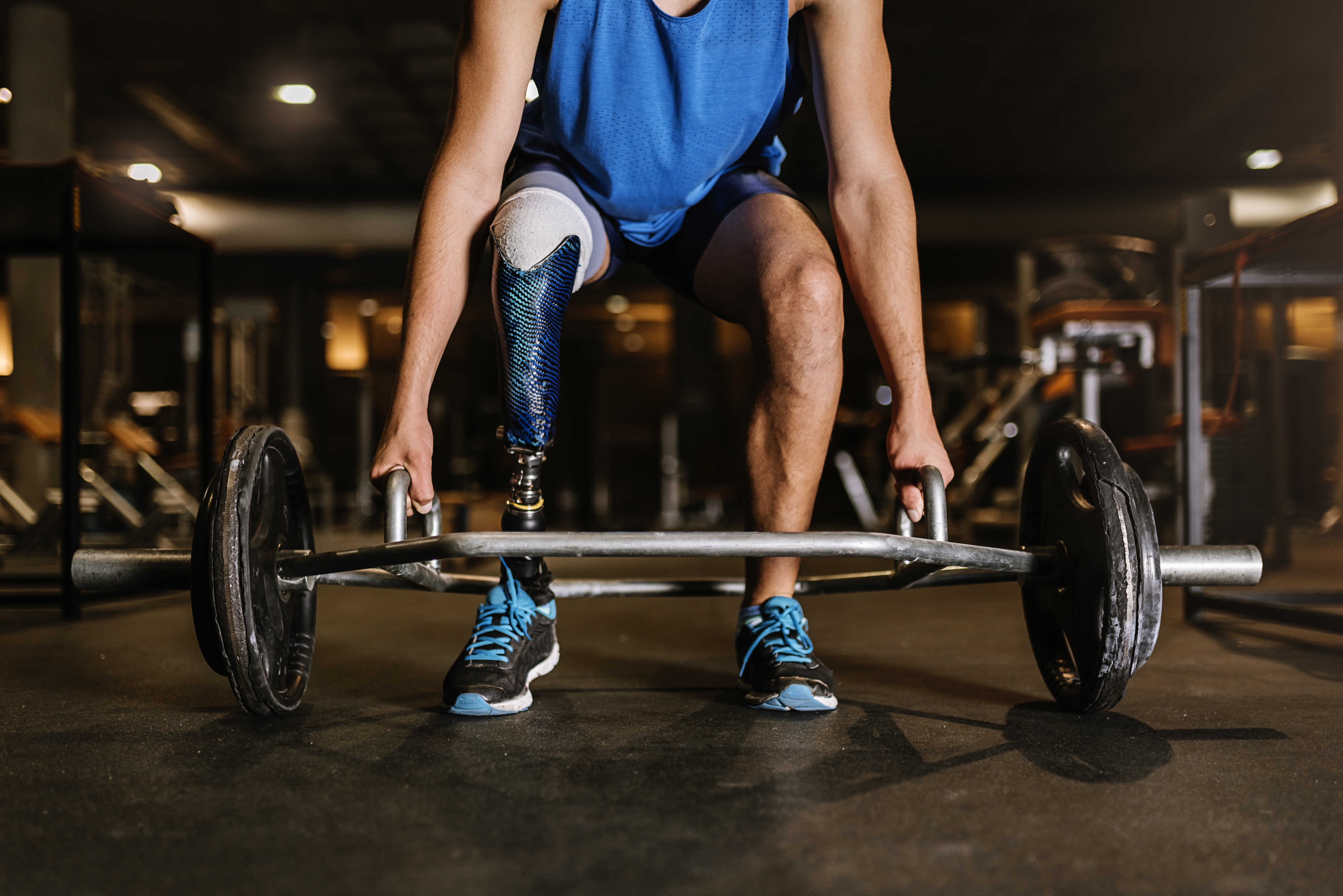
This amazing compound and functional movement needs to be a staple in your exercise plan, no matter your current health and medical situation, goals or ambitions!
Performed correctly, recruitment from nearly every muscle in your body is required, leading to significant health benefits, not only strength. This movement can be performed by anyone, with the range and load varying to meet your needs and abilities. This can simply be started with no weight, so get started now. If you need further guidance, please reach out to us and take advantage of a free 15min telehealth consultation with our exercise physiologist.
Written by Trent Carruthers and Kaitlyn Eisenhuth, Exercise Physiologists at Activ8 Health Club